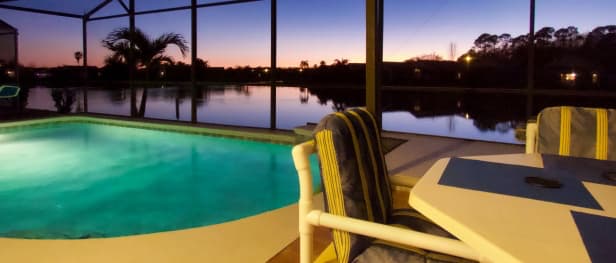
Should You Pay Extra for a Heated Pool? A Comprehensive Guide
Sun-drenched days and balmy nights make Florida the perfect place for poolside relaxation. As a guest at our Kissimmee villa, you'll have access to your own private pool deck with a sparkling pool and plenty of space to soak up the sunshine.
One decision you'll likely face is whether or not to pay a bit extra to have the pool heated during your stay. We completely understand the temptation, there's nothing better than being able to take a refreshing dip or lounge poolside without getting chilled!
In this comprehensive guide, we'll walk through all the factors to consider when deciding if pool heating is right for your vacation:
- When are heated pools typically needed in Florida's climate?
- How much will the pool temperature increase with heating?
- What happens if the weather gets too cold for the heater to function?
- Why don't heaters run overnight?
- The risks of turning up the temperature too high
- How our heated pool compares to hotel pools
We want to provide you with all the information you need to determine if paying for pool heating will enhance your vacation experience. Our goal is for you to have an amazing stay from the moment you arrive to the day you depart.
As the USA measures temperatures in degrees Fahrenheit, we have quoted all temperatures in °F but for those guests used to the metric system we also show Celsius (°C in brackets) where appropriate.
Check out our handy temperature conversion chart.
| °F | 40 | 50 | 60 | 70 | 80 | 90 |
|---|---|---|---|---|---|---|
| °C | 4 | 10 | 16 | 21 | 27 | 32 |
While Florida enjoys mostly warm and sunny weather year-round, there are times when pool heating can extend the swimming season and take the chill off on cooler days. In general, guests opt for pool heat during the autumn/fall through early spring from October to March when temperatures can dip into the 50s °F overnight. The heater lets you comfortably enjoy the pool even when the mercury drops. It's a nice add-on for the "shoulder seasons" of September/October and March/April as well.
We'll go over exactly how much warmer the water gets with the heater on, how many hours per day it runs, and what happens in cold weather when the heater automatically shuts off. You'll learn why we don't operate the heater overnight and the precautions we take to keep your pool water balanced and crystal clear.
After reading this guide, you'll understand the ins and outs of pool heating and be able to decide if it's a worthwhile upgrade to your vacation. Of course, if you have any other questions, please reach out and we're happy to provide more details! We want your stay to be nothing short of amazing.
When Are Heated Pools Needed?
Florida enjoys a mostly warm, sunny climate that lends itself to endless poolside lounging. After all it is called the Sunshine State!
But the state does experience seasonal weather changes that make pool heating a nice option during cooler months.
Autumn can bring delightful 70-80 °F (21-27 °C) degree days, though overnight temps in the 50s or 60s make pools brisk without heating.
As winter approaches, fronts can sweep through dropping daytime highs to the 60s and nights into the 40s from December to February.
By March, temperatures bounce back to a comfortable range, with heating only needed on occasional chilly nights.
April showers taper off, leading to sun-filled 70s and even low 80s by May when an unheated pool is once again refreshing.
So when do most guests opt to turn on the pool heater for a more comfortable swim?
October to March
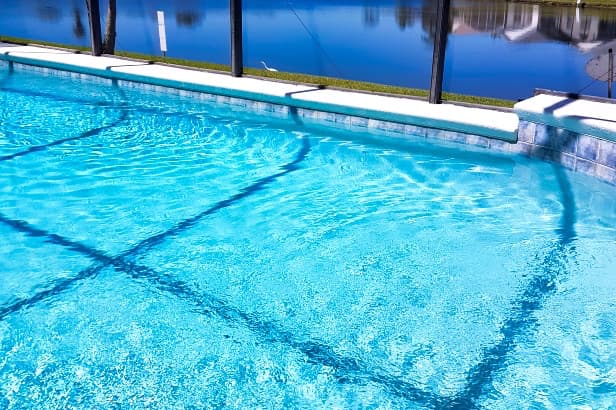
This span from autumn through early spring is when pool heating is most appreciated. Guests want to take a dip without getting chilled to the bone. Heaters extend the pool season into the ”shoulder months” on either side of summer.
Typical daytime temperatures from October to March range from the mid 70s to mid 80s, and nights drop into the 50s and 60s. This necessitates pool heating for comfortable swimming, especially for young children and seniors.
September and April
In the transitional periods of early fall and spring, some guests choose to add heat when overnight temperatures can start dropping into the low 60s or upper 50s. A heated pool ensures comfortable use.
By late April, most guests no longer request heater use, as daytime highs reach into the 80s. May through August, pool heat is usually unnecessary to enjoy a refreshing dip, as hot Florida sun warms the water to inviting levels.
Of course, weather varies year to year. In warmer winters or cooler autumns, your specific dates will determine if the pool heater is worth the extra investment. We closely monitor forecasts and can advise if heating is recommended for the time of your stay.
Many first-time visitors wonder if Florida pools require heating year round. This is not the case! While relatively mild, seasonal fluctuation in temperatures means pool heating is primarily limited to autumn, winter and early spring in the months of October through April.
We want every guest to fully enjoy our villa's private pool. Paying extra for heating during cooler times of year allows you to comfortably relax poolside any time you desire. Taking a dip won't require bundling up in a thick sweater first!
How Much Will the Pool Warm Up?
Our pool heater is an electric heat pump that extracts latent heat from the outside air and transfers it to the water. This raises the pool's temperature while being more energy efficient than traditional electric resistance heaters.
But how much warmer will the pool get with the heater on?
In general, the heater can raise the water temperature approximately 10-15 °F above the current air temperature. So if it's 70 °F (21 °C) outside, you can expect the pool to reach 80-85 °F (27-29 °C) within a day or two of turning on the heater.
It's important to understand the heater is designed to take the chill out of the water, not transform the pool into a hot tub or a warm bath! The goal is a comfortable swimmable temperature when it's cooler out.
While we wish we could guarantee a specific pool temperature, it ultimately depends on weather. Cool, wet and windy conditions limit potential heat output. You can expect the mid to high 80s on warmer days and 70s on cooler days.
On a 60 °F (16 °C) day, the water will likely max out around 70-75 °F (21-24 °C), still brisk for some, but tolerable for a quick dip. When the mercury drops further at night, the heater may only keep it in the low 70s.
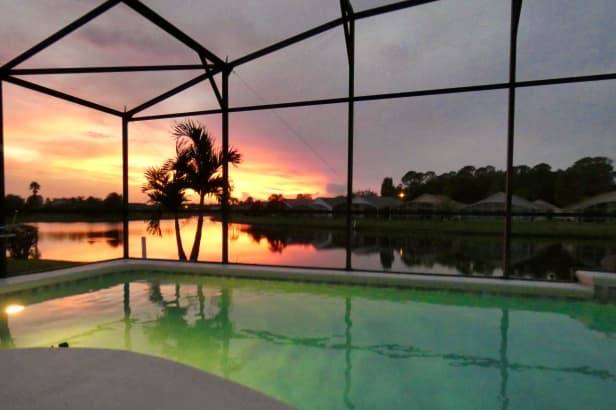
The actual pool temperature depends on several factors:
- Outside air temperature - The cooler it is, the less heat the pump can extract.
- Wind - Brisk winds dissipate heat from the water surface.
- Rain - Heavy rain or storms can cool the water quickly.
- Runtime - The heater operates 12 hours/day (8 a.m. to 8 p.m.) to balance comfort and efficiency.
- Lead time - It takes 24-48 hours from startup for the pool to reach its peak heated temperature.
The water retains some warmth overnight after the heater turns off. But expect a dip of 5-10 °F by morning. The good news is the heater quickly reheats when kicking on at around 8 a.m. each day.
While not the steaming soak of a hot tub, a heated pool takes the harsh bite out of cooler weather so you can comfortably enjoy lazy pool days on your vacation!
What Happens When It's Too Cold?
While Florida largely enjoys mild winters, occasionally a severe cold front brings frigid temperatures that even the pool heater can't overcome.
If the outside air temperature plummets below around 50 °F (10 °C), the pool heater automatically shuts off. This safety feature prevents damage from operating in extremely cold conditions.
Why does this happen? There are two key reasons:
Insufficient Heat Transfer
Heat pumps rely on extracting warmer air from the surrounding environment. But when ambient temperatures drop into the 40s or lower, there simply isn't enough heat in the air to transfer into the water.
Protecting Equipment
Running the heating system in freezing weather can damage components like the pump, filter and heater itself. Frigid water puts a strain on equipment not designed for icy operation.
So for both reasons of insufficient heat and equipment protection, the heater automatically enters a shutdown mode when the thermometer dips below around 50 °F (10 °C).
The heater won't function until outdoor temperatures recover above 50 °F for an extended period.
While Central Florida dodges most cold snaps, be aware a major winter storm could impact heater operation.
And don't worry, you can still enjoy clear sunny days poolside even if it's too cold to swim!
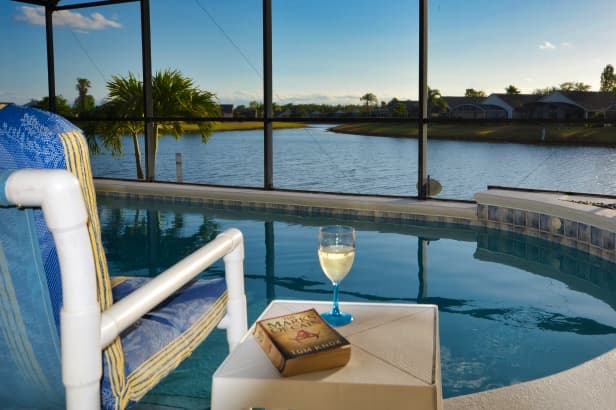
Why Don't Pool Pumps and Heaters Run Overnight?
After enjoying the bliss of a heated pool all day, some guests naturally wonder why the pool pump and heater turn off in the evening. Wouldn't it be heavenly to have a warm pool 24/7 while on vacation?
We completely understand the appeal, but there are a few logistical reasons why pool pumps and heaters don't operate overnight.
Energy Efficiency
Heating pools requires a significant amount of energy. To warm thousands of gallons of water 10-15 °F (6-8 °C) above the ambient air temperature involves substantial electricity usage.
Running the pump and heater all night long would rack up big energy bills and jack up the heated pool fee we have to charge guests.
To balance comfort, cost and efficiency, our pump and heater runs on a schedule from around 8 a.m. to 8 p.m. daily, averaging 12 hours per day. This provides heated water during guests' prime pool use hours.
Overnight Temperatures
While Florida nights can get chilly in winter, they are still relatively mild compared to more northern climates. Overnight lows in the 50s or 60s mean the pool still retains quite a bit of warmth even after the heater turns off.
A quick morning warmup should bring it back to comfortable levels within a few hours of the heater kicking on. For most guests, this overnight dip is tolerable given the energy savings.
Equipment Longevity
Running the filtration pump all night stresses the system and shortens lifespan. Like any mechanical device, “always on” operation accelerates wear. The overnight shutdown allows equipment to rest.
Think of it like resting your vehicle engine instead of idling continuously for days on end. Periodic shutdown is easier on systems designed for intermittent use.
Water Chemistry
Chemicals like chlorine dissipate faster in hot water. Heating all night would require pouring in more chemicals to maintain proper water balance and clarity.
By shutting off the pump and heater, chemicals degrade slower while still keeping the pool safe overnight. We balance water chemistry for daytime heating operation.
Neighbourhood Considerations
Our villa is in a residential street with neighbours in close proximity. Pool equipment is relatively noisy and it is unreasonable to be running the pool pump and heater late into the night when people around us are trying to sleep.
Guest Safety
Warmer pools promote drowsiness, while cooler water keeps swimmers alert. Safety concerns preclude all-night heating, especially for families with children.
For all these compelling reasons, overnight heating is rarely feasible for residential pools. Running the heater about 12 hours per day offers the best experience within practical and financial constraints.
We hope this info helps explain the typical pool heating schedule.
The Perils of Turning Up the Heat
While it may be tempting to crank up the heat for an extra tropical feel, we ask guests not to touch any of the pool and heater controls and leave the temperature set to 88 °F (31 °C).
There are several important reasons for this.
Throwing Off Chemical Balance
Our pool is professionally treated weekly to maintain ideal water chemistry. This involves carefully measuring and adding chlorine, pH balancers and other chemicals.
The treatment plan is designed to optimise water quality based on the standard heating temperature of 88 °F (31 °C).
Significantly raising the heat accelerates chemical consumption. The hotter the water, the faster chlorine and other chemicals dissipate.
Turning up the temperature can rapidly deplete chlorine reserves leading to algae growth, cloudy water and poor sanitisation. Chemical parameters like pH can also get thrown out of whack.
This risks ruining water clarity and potentially causing pool closure until the water can be re-balanced.
Increased Evaporation
Heating water leads to faster evaporation, similar to boiling a pot. This causes more rapid water loss requiring frequent refilling to maintain the water level.
Higher heating costs also result from continually reheating replaced water. Refilling uses more chemicals and energy while taxing the pool filtering system.
Equipment Wear & Tear
Pool pumps, filters and heaters are designed for optimal life within standard temperature ranges. Running equipment under abnormally hot conditions accelerates deterioration.
Impellers can warp, seals and gaskets deteriorate faster, and filters get overburdened trying to keep up with accelerated chemical demand.
Premature breakdowns and expensive repairs will likely result from overheating the pool for prolonged periods.
Safety Hazards
Excessively warm water poses health dangers including overheating, dehydration and drowsiness, especially for young children and seniors.
Water heated above the high 80s °F could potentially lead to injuries or accidental drowning if someone falls asleep in the pool.
In general, the factory settings are optimised for safety, cost and maintenance. Turning up the heat seems tempting but can quickly create problems! Please enjoy our heated pool responsibly and do not attempt to adjust the pool heater temperature (it is against our Rental Agreement).
Heated Hotel Pools vs. Our Private Oasis
When considering pool heating, some guests ask how our pool temperature compares to heated pools at Orlando hotels and resorts.
Major hotels with large aquatic facilities like Disney and Universal heat their pools to temperatures around 80-82 °F (27-28 °C) generally whereas we set our pool heater at 88 °F (31 °C).
As massive resorts, they can afford the energy costs to keep pools constantly heated day and night with gas boilers and massive filtration systems.
Our private heated pool relies on a domestic electric heat pump system that uses ambient air temperature to warm the water. As a result, our pool heat ranges from the high 80s down to the 70s depending on weather.
Our heated pool offers:
- A comfortable temperature for lounging during peak hours
- More efficient operation reducing energy use
- Lower heating fees passed on to guests
- A quiet, private setting far from noisy crowds
Our goal is providing an oasis of relaxation and fun at a reasonable cost, not replicating a Disney waterpark!
The family-friendly temperature, crystal clear water, and calm setting create a perfect pool experience without the sticker shock of major resort heating bills.
We find most guests prefer having their own backyard paradise over fighting crowds for pool deck space. Our pool offers the best of both worlds; tropical warmth when you want it and an idyllic escape from the sometimes frenzied parks.
Conclusions
After reviewing the ins and outs of pool heating, the big question remains - should you pay extra to heat the pool during your vacation?
We hope the information provided gives you a better understanding of when heating is worthwhile, how much warmer the water gets, equipment operation and more.
The main factors to consider are the expected weather forecast for your dates and your pool priorities:
- If cool conditions are expected, the heater lets you swim and lounge comfortably even with lower air temperatures.
- If mostly warm and sunny weather is forecast, you can likely skip the heating and save some cost.
- If pool time is a major priority and you plan to swim multiple times a day, the heater provides more flexibility.
- If you just plan occasional dips or don't mind brisk water, heating may not be necessary.
Pool heating enhances enjoyment on cooler days and broadens the swimming season. But it isn’t essential for guests focused more on theme parks than pool time.
We want your stay with us to be amazing and will work to accommodate your needs. Please let us know if you have any other questions about heating or want help deciding if it's worth the extra cost during your dates.
If you do require pool heat, it is charged at $25 per day including all taxes.
The sun shines year-round in Florida, but pool heating lets you make the most of cooler days too. We look forward to hosting you at our home away from home and ensuring your vacation is a memory that lasts forever!